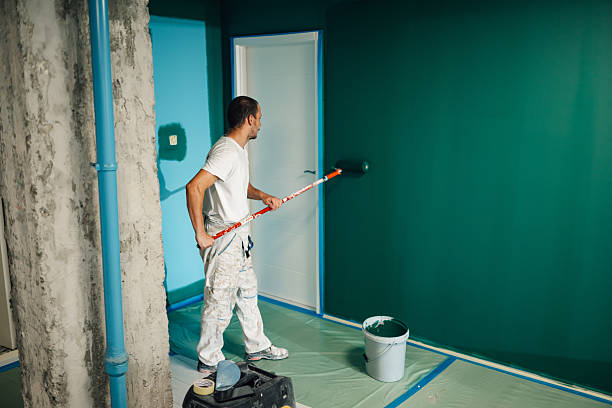
The appearance of an interior space can influence how people experience a property. Walls, ceilings, doors, trim, and other painted surfaces naturally experience wear over time. Marks, stains, fading, peeling, and outdated colors can make an otherwise functional space appear tired.
Transform Your Space with Interior Painting Services can be an effective way to refresh residential and commercial interiors while addressing visible surface imperfections.
Interior painting is more than applying a new color. A successful project involves preparation, surface evaluation, product selection, careful application, and proper finishing. When these steps are handled correctly, a painting project can provide both visual improvement and practical surface care.
NexusConnectMarketing recognizes the value of professional interior painting as part of property improvement, maintenance, and renovation planning.
Why Interior Painting Is Important
Paint can change the character of a room without requiring major structural changes.
A lighter color may make a room feel more open, while darker or richer colors can create a more defined atmosphere. Neutral colors are often selected for professional or rental environments because they provide a flexible appearance.
Painting can also help refresh surfaces that have experienced everyday wear.
Walls in hallways, offices, kitchens, living rooms, waiting areas, and other high-use spaces can accumulate marks and scuffs. Repainting provides an opportunity to restore the appearance of these areas.
Interior Painting for Homes
Residential painting projects can range from a single room to an entire house.
Common areas include:
- Living rooms
- Bedrooms
- Kitchens
- Bathrooms
- Hallways
- Dining areas
- Home offices
- Entryways
- Ceilings
- Doors and trim
Homeowners may choose new colors during renovations, after moving into a property, or simply when existing finishes become worn.
A professional approach can help create consistent coverage and a cleaner finished appearance.
Interior Painting for Businesses
Commercial interiors often require a different approach because painting work may need to be coordinated around business operations.
Offices, retail stores, restaurants, clinics, hotels, schools, and other commercial spaces can all benefit from refreshed interior surfaces.
Businesses may use painting projects to update an outdated interior, align colors with branding, improve the appearance of customer-facing areas, or prepare a space for new occupancy.
Scheduling can be particularly important for commercial painting. Work may need to take place outside peak operating hours or in phases so that essential areas remain available.
The Importance of Surface Preparation
Surface preparation is one of the most important stages of an interior painting project.
Paint does not hide every surface problem. Cracks, holes, stains, peeling areas, uneven surfaces, and damaged drywall may need attention before new paint is applied.
Preparation may involve cleaning surfaces, repairing minor imperfections, sanding, removing loose material, and applying appropriate primers where necessary.
Skipping preparation can affect the appearance and durability of the finished coating.
Choosing the Right Paint
Different areas may require different paint characteristics.
For example, a busy hallway may need a finish that is easier to clean, while a bedroom may prioritize appearance and color.
Bathrooms and kitchens can experience moisture and frequent cleaning, so product selection should consider the conditions of the space.
Commercial environments may also require coatings appropriate for high-traffic areas.
The right choice depends on the surface, location, expected use, desired appearance, and maintenance requirements.
Color Selection
Color is one of the most noticeable aspects of an interior painting project.
Before selecting a color, property owners should consider the room’s size, natural light, existing furniture, flooring, fixtures, and overall design.
Neutral colors can provide flexibility, while accent colors can be used to create visual interest.
Businesses may also consider brand colors or colors that complement their existing interior design.
Testing colors on a small section can help property owners understand how the shade looks under different lighting conditions.
Painting Ceilings, Doors, and Trim
Interior painting does not have to be limited to walls.
Ceilings can become discolored over time and may benefit from repainting. Doors and trim can also show signs of frequent use, especially in commercial properties.
Painting these elements can create a more consistent appearance throughout the space.
However, different surfaces may require different preparation and application methods. Wood, drywall, metal, and previously painted surfaces can each have different requirements.
Interior Painting and Property Maintenance
Painting can form part of a broader maintenance program.
Walls and ceilings should be inspected periodically for stains, cracks, peeling, moisture-related damage, and other visible concerns.
If a stain repeatedly appears after painting, simply applying another coat may not address the underlying cause. Moisture intrusion, plumbing leaks, ventilation problems, or other issues may need to be investigated first.
This is why professional painting should be considered alongside general property maintenance.
Preparing a Space for Painting
Before painting begins, furniture and other items should be moved or protected where practical.
Flooring, fixtures, windows, and other surfaces can also require appropriate protection.
The condition of the room determines how much preparation is necessary.
A professional painting plan should account for the number of rooms, surface condition, desired colors, existing coatings, furniture, accessibility, and project schedule.
Painting During Commercial Renovations
Businesses often combine painting with other improvement projects.
For example, a company may renovate an office, replace flooring, update lighting, install new doors, and repaint walls as part of a broader interior upgrade.
Coordinating these tasks can help create a consistent finished environment.
Painting may be performed after major construction and repair work is completed to reduce the risk of new surfaces becoming damaged or marked.
How Professional Painting Can Improve a Space
A professional interior painting project can help create a cleaner and more cohesive appearance.
For residential properties, this can make rooms feel refreshed and more personalized.
For businesses, a well-maintained interior can support a professional environment for employees, customers, clients, and visitors.
Painting can also help visually define different areas. Offices, meeting rooms, reception areas, corridors, and common spaces can use different colors or finishes depending on the desired design.
Common Interior Painting Mistakes
Several problems can affect painting results.
One common mistake is applying paint over dirty or poorly prepared surfaces. Another is failing to allow appropriate drying time between coats.
Choosing an unsuitable product can also affect the finished result.
Inconsistent application may create visible differences in color or texture.
Professional planning can reduce these problems by ensuring that preparation, materials, application, and finishing are considered before work begins.
Choosing Interior Painting Services
When looking for Transform Your Space with Interior Painting Services, property owners should consider experience, preparation practices, project communication, and attention to detail.
It is useful to discuss the project’s scope before work begins. This should include the rooms being painted, surfaces involved, colors, finishes, preparation requirements, expected schedule, and any areas that require special attention.
Commercial customers should also discuss how the work will be coordinated around business operations.
Long-Term Care After Painting
A freshly painted interior still requires regular care.
Cleaning painted surfaces according to the coating manufacturer’s recommendations can help maintain their appearance.
Small marks should be addressed before they become more noticeable. High-traffic areas may eventually require touch-ups.
Property owners should also monitor walls for signs of moisture or structural problems. Paint should not be used as a substitute for repairing underlying building issues.
The NexusConnectMarketing Perspective
NexusConnectMarketing views interior painting as part of a broader approach to property improvement and maintenance.
A successful painting project should combine aesthetics with proper preparation and practical planning. The goal is not simply to change a wall color but to create an interior that looks maintained, functions well, and suits the property’s purpose.
Whether the project involves a single bedroom, an entire home, a corporate office, or a commercial facility, understanding the process helps property owners make better decisions.
Final Thoughts
Transform Your Space with Interior Painting Services offers property owners an opportunity to refresh interiors while addressing everyday wear and outdated finishes.
A quality painting project starts with proper preparation. Surface condition, color selection, paint type, application methods, scheduling, and post-project maintenance all contribute to the final result.
For homeowners, painting can help personalize and refresh living spaces. For businesses, it can contribute to a professional and welcoming environment.
The most important consideration is to treat painting as part of the property’s overall maintenance rather than simply as a cosmetic task. When surface problems are identified and addressed properly, the finished result can be more attractive and functional.
With thoughtful planning and professional workmanship, interior painting can make a meaningful difference to the appearance and usability of a property. NexusConnectMarketing supports an informed approach to interior improvement that considers both visual results and long-term property care.